
Jeep JK Manual Transmission: A Comprehensive Guide
The Jeep JK’s robust manual transmission offers a uniquely engaging driving experience, blending durability with off-road capability for enthusiasts seeking control and connection.
For Jeep JK owners who prefer a more connected driving experience, the manual transmission offers a compelling alternative to the automatic. Produced from 2007 through 2018, the JK generation provided a capable platform, and the availability of a six-speed manual gearbox – the NSG330 – added a layer of driver involvement often sought after by off-road enthusiasts and purists.
This guide delves into the specifics of the JK’s manual transmission, covering everything from its core components and performance characteristics to common issues, maintenance procedures, and potential upgrades. Whether you’re a seasoned mechanic or a relatively new JK owner, understanding your transmission is crucial for maximizing your Jeep’s performance and longevity. We’ll explore the nuances of the NSG330, helping you diagnose problems, perform basic maintenance, and make informed decisions about modifications.
Ultimately, this resource aims to empower you with the knowledge needed to keep your JK’s manual transmission running smoothly for years to come, enhancing your adventures both on and off the pavement.
Why Choose a Manual JK? (Pros & Cons)
Opting for a Jeep JK with a manual transmission presents a unique set of advantages and disadvantages. On the positive side, a manual gearbox provides greater driver control, particularly beneficial during challenging off-road situations requiring precise engine braking and gear selection. Many enthusiasts appreciate the more engaging and connected driving experience, fostering a stronger bond with the vehicle.
Furthermore, manual JKs often command a slightly lower price on the used market. However, there are drawbacks to consider. Learning to operate a manual transmission can be challenging for some, and it may be less convenient in stop-and-go traffic. The NSG330, while generally reliable, has known weaknesses, and finding a skilled mechanic familiar with it can sometimes be difficult.
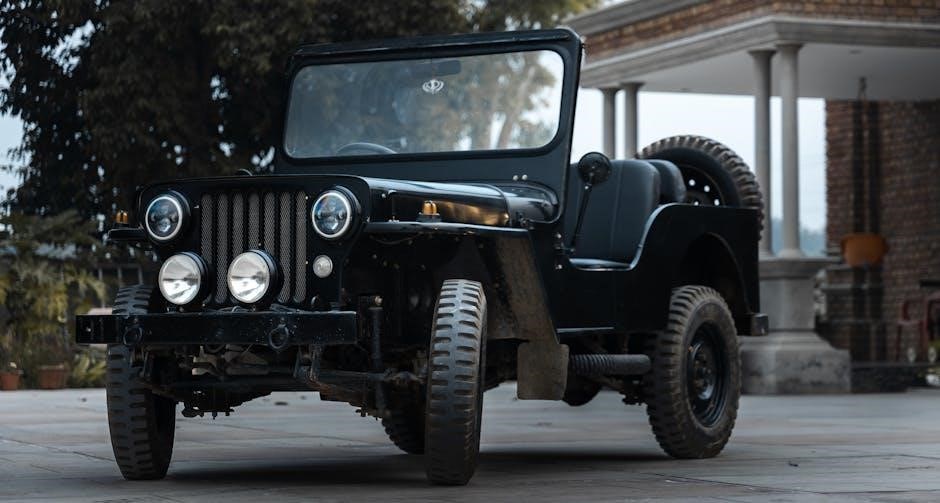
Ultimately, the decision hinges on your driving preferences and intended use. If you value control, engagement, and aren’t deterred by a steeper learning curve, a manual JK might be the perfect choice.
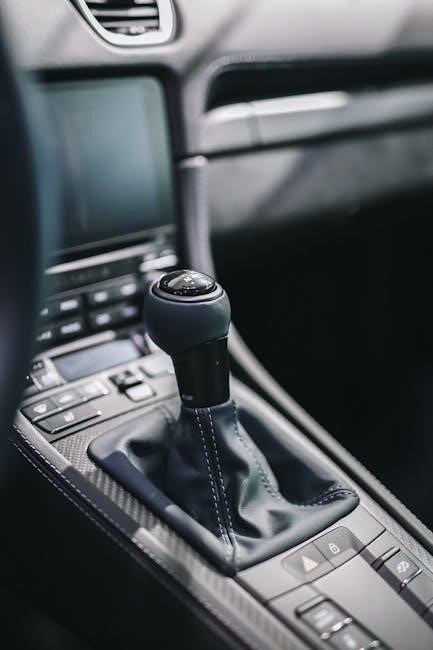
Understanding the NSG330 Transmission
The New Venture Gear NSG330 is a five-speed manual transmission specifically designed for the Jeep JK Wrangler and is known for its ruggedness.
NSG330: The Core of the JK Manual System
At the heart of the Jeep JK’s manual drivetrain lies the New Venture Gear NSG330 transmission. This robust unit, manufactured by New Venture Gear (a joint venture between Chrysler and Magna), was specifically engineered to handle the demands of both on-road driving and challenging off-road trails.
Its internal construction features durable gears and shafts, designed to withstand the torque produced by the JK’s engine options – the 3.8L V6 and the 3.6L Pentastar V6. The NSG330 is a fully synchronized transmission, providing smooth and reliable gear changes.
Unlike some lighter-duty manual transmissions, the NSG330 is known for its strength and ability to cope with modifications, such as engine swaps or lift kits that increase tire size and drivetrain stress. It’s a key component in the JK’s reputation for being a capable and dependable off-road vehicle, offering drivers a direct mechanical connection to the powertrain.
Gear Ratios and Their Impact on Performance
The NSG330 transmission in the Jeep JK utilizes specific gear ratios that significantly influence vehicle performance characteristics. First gear is typically geared low for maximizing torque and enabling rock crawling or steep incline ascents. Higher gears, such as fifth and sixth, are designed for efficient highway cruising, reducing engine RPMs and improving fuel economy.
The stock gear ratios are a compromise, balancing off-road capability with on-road drivability. However, altering these ratios – through changing the differential gears – can dramatically change the JK’s behavior. Lower (numerically higher) ratios enhance low-end torque, ideal for larger tires and demanding trails.
Conversely, higher (numerically lower) ratios improve top-end speed and fuel efficiency, better suited for primarily highway driving. Selecting the appropriate gear ratio depends heavily on the intended use of the vehicle and tire size, impacting acceleration, towing capacity, and overall driving experience.
Common NSG330 Identification Methods
Identifying your Jeep JK’s NSG330 transmission is crucial for sourcing correct parts and understanding its specific configuration. The most reliable method involves locating the transmission’s identification tag. This tag is typically found on the transmission case itself, often near the bellhousing or on the side.
The tag will contain a series of numbers and letters, including the transmission model number (NSG330) and potentially a date code indicating when it was manufactured. Another clue is the input shaft spline count; the NSG330 generally features a 23-spline input shaft.
Visual inspection can also offer hints. While subtle, variations exist in case castings and mounting points over the years. Checking the vehicle’s build sheet or contacting a Jeep dealership with your VIN can provide definitive transmission information. Accurate identification prevents compatibility issues during repairs or upgrades.
Maintenance & Fluid Considerations
Regular maintenance and proper fluid levels are paramount for the longevity of your Jeep JK’s manual transmission, ensuring smooth operation and preventing costly damage.
Recommended Transmission Fluid Type
Selecting the correct transmission fluid is crucial for the NSG330 found in Jeep JKs. Chrysler originally specified Mopar MS-9224, a specific GL-3 fluid. However, sourcing this exact fluid can sometimes be challenging. Many JK owners have successfully used high-quality GL-3 gear oils from reputable brands like Red Line, Amsoil, or Valvoline, ensuring they meet or exceed the MS-9224 specification.
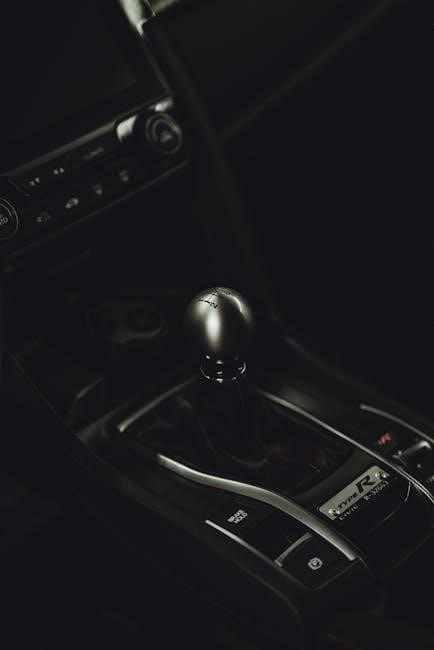
Avoid using GL-5 fluids, as they contain additives (like sulfur) that can corrode the brass synchronizers within the NSG330, leading to grinding and eventual transmission failure. Synthetic fluids are generally preferred for their superior thermal stability and longer service life, especially in demanding conditions like off-roading. Always double-check the fluid’s compatibility and specifications before adding it to your transmission. Using the wrong fluid voids warranties and can cause significant, expensive damage.
Fluid Change Intervals & Procedures
Regular transmission fluid changes are vital for maintaining the health of your Jeep JK’s NSG330. A good baseline is to change the fluid every 30,000 miles, or every 2 years, whichever comes first. However, if you frequently engage in demanding off-road driving, towing, or operate in extreme temperatures, shortening the interval to 15,000-20,000 miles is recommended.
The procedure involves removing the fill plug first (to ensure you can refill!), then the drain plug, allowing the old fluid to drain completely. Replace the drain plug with a new crush washer. Refill with the specified fluid (see previous section) until it reaches the fill plug opening. Check the fluid level while the transmission is at operating temperature. Avoid overfilling. Properly dispose of the used fluid at a recycling center. A fluid change typically requires around 2.5-3 quarts.
Checking Fluid Levels – A Step-by-Step Guide
Accurate fluid level checks are crucial for identifying potential transmission issues. First, ensure your Jeep JK is parked on a level surface and the engine is warmed up to operating temperature. Locate the fill plug on the transmission – it’s typically on the side.
Carefully remove the fill plug. With the transmission at operating temperature, the fluid level should be right at the bottom of the fill plug opening. If it’s low, add the recommended fluid slowly until it just begins to drip out. Replace the fill plug with a new crush washer, tightening it to the specified torque.
Important: The NSG330 doesn’t have a traditional dipstick. Always check the fluid when warm, as levels change significantly with temperature. Low fluid can indicate a leak, while overfilling can cause aeration and damage.
Common Issues & Troubleshooting
JK manual transmissions, while durable, can experience issues like grinding gears, clutch failures, and shifter problems; prompt diagnosis ensures continued off-road enjoyment.
Grinding Gears: Causes and Solutions
Gear grinding in your Jeep JK’s manual transmission is a common, yet concerning, symptom. Several factors can contribute to this issue. The most frequent cause is a worn synchronizer, responsible for matching the speeds of gears during shifts; Aggressive or rushed shifting exacerbates wear.
Low or contaminated transmission fluid can also hinder proper synchronization, leading to grinding. A failing clutch, not fully disengaging, can cause the transmission to attempt shifts while still engaged with the engine. Improper clutch adjustment plays a role here.
Solutions range from simple to complex. Begin by checking and topping off, or changing, the transmission fluid. Ensure the clutch is properly adjusted. If grinding persists, a synchronizer replacement is likely necessary, requiring transmission disassembly. Inspect the clutch disc and pressure plate for wear during this process. Ignoring grinding can lead to further damage to the gears themselves, escalating repair costs significantly.
Clutch Problems: Slipping, Sticking, and Failure
Clutch issues are frequent concerns with the Jeep JK manual transmission. Slipping occurs when the clutch disc doesn’t fully engage, causing engine RPM to rise without a corresponding increase in speed – often noticeable during acceleration or uphill climbs. This usually indicates wear on the clutch disc’s friction material.
Sticking, where the clutch pedal feels difficult to depress or doesn’t return smoothly, suggests a problem with the clutch cable, hydraulic system (if equipped), or potentially a warped clutch disc. Complete failure manifests as an inability to engage any gear.
Solutions include clutch cable adjustment or replacement, bleeding the hydraulic system, or a full clutch kit replacement (disc, pressure plate, and throw-out bearing). Ignoring these symptoms can lead to further damage to the flywheel and transmission. Regular inspection and proactive maintenance are crucial for a long-lasting clutch.
Shifter Issues: Sloppy Feel & Difficulty Selecting Gears
A vague or “sloppy” shifter feel in your Jeep JK’s manual transmission often indicates worn components within the shifter assembly itself. This can range from loose bushings to internal wear on the shift rails. Difficulty selecting gears, particularly first or reverse, frequently accompanies this sensation.
Common causes include worn shifter bushings (plastic or rubber), a bent or damaged shift lever, or internal wear within the transmission’s shift forks. Sometimes, a simple adjustment of the shift linkage can improve the situation, but often, replacement of worn parts is necessary.
Solutions involve replacing the shifter bushings with upgraded polyurethane or brass alternatives, inspecting the shift lever for damage, and potentially rebuilding or replacing the entire shifter assembly. Addressing these issues restores precise gear selection and enhances the driving experience. Ignoring them can lead to missed shifts and potential transmission damage.
Throw-Out Bearing Failure – Symptoms & Repair
The throw-out bearing (also called a release bearing) is crucial for disengaging the clutch. Failure manifests as a whining or chirping noise, often loudest when the clutch pedal is depressed. This sound typically disappears when the pedal is released. Ignoring this symptom can lead to complete bearing failure, rendering the clutch unusable.
Symptoms also include difficulty shifting, a pulsating clutch pedal, and in severe cases, a grinding noise during gear changes. The bearing’s lifespan is affected by driving habits and clutch usage. Frequent towing or aggressive driving accelerates wear.
Repair requires transmission removal to access the throw-out bearing. It’s highly recommended to replace the clutch disc, pressure plate, and pilot bearing simultaneously, as the labor is substantial. A worn clutch will quickly damage a new throw-out bearing. Proper lubrication during installation is vital for longevity.
Upgrades & Modifications
Enhance your JK’s manual transmission with performance upgrades, improving shift quality, clutch durability, and overall driving enjoyment for both on-road and off-road adventures.
Short Throw Shifters: Improving Shift Feel
For JK Wrangler owners desiring a more connected and precise driving experience, a short throw shifter is a popular and effective upgrade. The factory shifter, while functional, often suffers from long throws and a somewhat vague feel. Short throw shifters reduce the distance the lever travels between gears, resulting in quicker, more direct shifts.
Several manufacturers offer short throw shifters for the JK, each with varying degrees of reduction and design. Some utilize a different pivot point, while others modify the internal linkage. Installation is typically straightforward for mechanically inclined individuals, often requiring only basic hand tools.
Benefits extend beyond quicker shifts; a short throw shifter can improve driver confidence and control, especially during spirited driving or technical off-road maneuvers. Expect a firmer, more positive engagement, minimizing missed shifts. Consider the intended use – a more aggressive reduction might be ideal for performance driving, while a moderate reduction suits daily driving and moderate off-roading.
Clutch Upgrades: Handling More Power
As Jeep JK Wranglers are frequently modified with larger tires, lift kits, and engine upgrades, the factory clutch may struggle to handle the increased demands. A slipping clutch manifests as engine RPMs rising without a corresponding increase in vehicle speed, indicating insufficient clamping force. Upgrading the clutch is crucial for reliability and performance;
Several clutch options are available, ranging from heavy-duty replacements to full performance clutches. Key components to consider include the pressure plate, disc, and throw-out bearing. Upgraded pressure plates provide increased clamping force, while performance discs often feature more aggressive friction materials.
Choosing the right clutch depends on the extent of modifications and intended use. A mild upgrade may suffice for moderate tire size increases, while significant engine modifications necessitate a more robust, performance-oriented clutch. Installation typically requires removing the transmission, making it a more involved repair best suited for experienced mechanics or professional installation;
Transmission Mounts: Reducing Vibration
Factory Jeep JK transmission mounts, while functional, can transmit significant vibrations into the chassis, particularly with larger tires or aftermarket modifications. These vibrations contribute to driver fatigue and can potentially lead to stress fractures in surrounding components over time. Upgrading to aftermarket transmission mounts offers a substantial improvement in ride quality and overall refinement.
Aftermarket mounts typically utilize different materials and designs to isolate vibrations more effectively. Options range from polyurethane mounts, which offer increased stiffness and reduced deflection, to fluid-filled mounts that provide superior vibration damping. Polyurethane mounts are popular for performance applications, while fluid-filled mounts prioritize comfort.
Installation is relatively straightforward, involving unbolting the old mount and replacing it with the new one. However, proper torque specifications must be followed to ensure secure mounting and prevent premature failure. Upgrading the transmission mount is a cost-effective modification that significantly enhances the driving experience of a JK Wrangler.
Gear Ratio Changes: Optimizing for Different Terrain
Altering the gear ratios in your Jeep JK’s manual transmission and axles is a crucial step in tailoring its performance to your specific needs. The factory gear ratios are a compromise, suitable for general use, but often suboptimal for dedicated off-roading or highway cruising. Lower (numerically higher) gear ratios, like 4.88 or 5.13, provide increased torque multiplication, ideal for overcoming obstacles and climbing steep inclines.
Conversely, higher (numerically lower) gear ratios, such as 3.73, improve fuel economy and reduce engine RPM at highway speeds, making long drives more comfortable. Re-gearing involves replacing the pinion and ring gears within the differentials and potentially changing the transfer case gearing.
It’s essential to consider tire size when selecting new gear ratios; larger tires effectively lower the overall gear ratio, necessitating a corresponding change in the differential gears to restore optimal performance. Professional installation and proper break-in procedures are highly recommended for longevity and smooth operation.
DIY Repairs vs. Professional Service
Assess your mechanical skills and tool availability; simpler tasks suit DIY, while complex issues—like transmission rebuilds—demand a qualified mechanic’s expertise and specialized tools.
When to Tackle Repairs Yourself
For the mechanically inclined Jeep JK owner, several manual transmission-related repairs are within the realm of DIY possibility. These typically include fluid changes, a relatively straightforward process requiring basic tools and adherence to proper procedures. Inspecting and replacing the shift linkage bushings is another accessible task, often resolving sloppy shifting without extensive disassembly.
Similarly, diagnosing and replacing a worn clutch master or slave cylinder can be managed with moderate mechanical experience and a good understanding of hydraulic systems. Simple shifter adjustments, addressing minor play or stiffness, are also suitable for DIY attention. However, always prioritize safety – use jack stands, disconnect the battery, and consult reliable repair manuals.
Remember to accurately diagnose the problem before diving in; a misdiagnosis can lead to wasted time and money. If you’re comfortable with these types of repairs and possess the necessary tools, tackling them yourself can save on labor costs and provide a rewarding sense of accomplishment.
When to Seek Professional Assistance
Despite the appeal of DIY repairs, certain Jeep JK manual transmission issues demand the expertise of a qualified mechanic. Internal transmission work, such as rebuilding or replacing gears, requires specialized tools, knowledge, and a clean working environment to avoid further damage. Similarly, diagnosing and resolving complex issues like persistent grinding, especially in multiple gears, often necessitates professional diagnostic equipment.
Any suspected damage to the transmission case, input shaft, or output shaft should be addressed by a professional. Clutch failures involving significant component damage, beyond simple disc replacement, also fall into this category. If you lack experience with hydraulic systems, bleeding the clutch line after a repair is best left to a pro.
Ultimately, if you’re unsure about your abilities or the severity of the problem, erring on the side of caution and seeking professional assistance is always the wisest course of action, preventing potentially costly mistakes.
Resources & Further Information
Explore dedicated online Jeep JK forums, reputable parts retailers, and detailed technical manuals for invaluable insights and support regarding your transmission.
Online Forums & Communities
Numerous online Jeep JK forums and communities serve as invaluable resources for owners of these vehicles, particularly those with manual transmissions. These platforms offer a space to connect with fellow enthusiasts, share experiences, and seek advice on everything from routine maintenance to complex repairs.
Popular forums like JeepForum.com and JK-Forum.com have dedicated sections specifically for the JK Wrangler and its manual transmission. You’ll find threads discussing common issues, upgrade options, and DIY repair guides. Members often post detailed information, photos, and videos to help others troubleshoot problems and improve their JK’s performance.
Facebook groups dedicated to Jeep JK owners are also abundant and provide a more immediate and interactive environment. These groups are excellent for quick questions, local meetups, and sharing real-time experiences. Don’t hesitate to search for and join relevant groups to tap into a wealth of collective knowledge. Remember to utilize the search function within these communities before posting, as your question may have already been answered!
Parts Suppliers & Retailers
Sourcing parts for your Jeep JK’s manual transmission is readily achievable through a variety of suppliers and retailers, catering to diverse budgets and needs. Several companies specialize in Jeep parts, offering both OEM (Original Equipment Manufacturer) and aftermarket options.
Quadratec and Morris 4×4 Center are well-established retailers with extensive catalogs, including transmission components, clutches, shifters, and fluids. They often provide detailed product descriptions and customer reviews to aid in your selection. RockAuto is another popular choice, known for its competitive pricing on a wide range of auto parts.
For specialized upgrades, consider companies like Novak Conversions, which focuses on drivetrain solutions, or Eaton, a leading manufacturer of clutches and transmissions. Local Jeep dealerships can supply OEM parts, ensuring compatibility, but typically at a higher cost. Always verify the part’s compatibility with your specific JK model year and transmission type before purchasing. Comparing prices and reading reviews is highly recommended.
Technical Service Manuals & Diagrams
Accessing detailed technical information is crucial for successful JK manual transmission maintenance and repair. The official Jeep Workshop Service Manual provides comprehensive instructions, diagrams, and torque specifications, covering everything from fluid changes to complete transmission overhauls.
These manuals, often available in digital format, are invaluable for DIY mechanics. Haynes and Chilton manuals offer a more simplified approach, suitable for less experienced individuals, though they may lack the depth of the official Jeep manual. Online resources, such as JeepForum and dedicated JK owner groups, frequently host scanned diagrams and troubleshooting guides.
Wiring diagrams relating to transmission sensors (like the speed sensor) are also essential for diagnosing electrical issues. Websites specializing in automotive diagrams can be helpful. Remember that accurate information is paramount; always cross-reference data from multiple sources and prioritize the official Jeep service manual whenever possible for reliable guidance and safety.
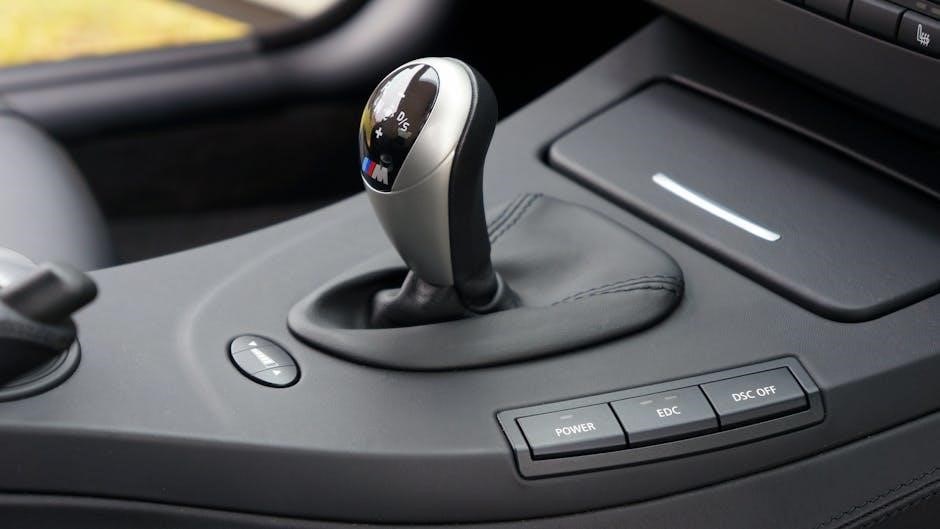
Maintaining your Jeep JK’s manual transmission proactively is key to enjoying years of reliable performance, both on and off the road. Regular fluid checks and timely changes, using the correct fluid type, are fundamental to longevity. Addressing minor issues – like a slightly sloppy shifter – promptly prevents them from escalating into costly repairs.
Don’t underestimate the value of preventative maintenance. Inspecting clutch components and transmission mounts periodically can identify potential problems before they cause breakdowns. Understanding the transmission’s limitations and driving accordingly also contributes significantly to its lifespan.
Whether you choose to tackle maintenance yourself or rely on a professional mechanic, prioritizing the health of your JK’s manual transmission ensures a continued, engaging, and capable driving experience. A well-maintained JK will reward you with years of adventurous journeys!